Teaching Philosophy
Guiding Principles
Each lesson is approached first from an appreciation of what we are doing well already, then obstacles are explored.
Mistakes are an important part of the lesson process. They must be there to grow and they should be seen as stepping stones.
A focus on relaxing into the music instead of a focus on error control is the easy way to comfortable, enjoyable performances.
The typical phrase is practice makes perfect. However, a more meaningful perfection is when you start to enjoy practice. Always strive to improve your experience as well as your playing.
Parents need a lot of help. I am here for you too. I understand you often don’t know what to ask, I will make it easy for you to be a good parent here in the studio.
In life and in piano playing, strive for enjoying the process, not just when goals are accomplished.

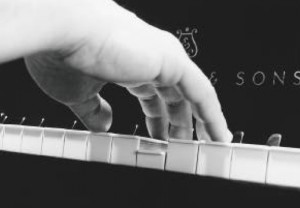
Piano Technique
Talent can be developed from Zero. It is really just a combination of better focus and playing with solid technique.
If you are in pain at the piano, you are doing something wrong that needs to be corrected.
Good technique is nothing more than knowing which parts to move and activate and which parts to relax.
Importance of Listening
For each piece we work on here, there is a recorded model we look to as a standard. It is a totally avoidable error to try to learn music without having a sound model that can be referenced at any time.
Recordings help eliminate making the same errors repeatedly and they are instrumental in getting our music ‘stuck’ in our head with repeated listenings.
Recordings help remove thinking in the final stages of preparing music. This allows for less hesitation, fewer slips, and is crucial in helping to make a real emotional connection to the music that effects the performances in powerful ways both for performer and listener.